
Installations · Hybrid marine energy
Clean power for ports, islands and coastal sites
We combine floating and coastal solar, wave or tidal generation where the sea supports it, and battery storage into one controlled system that can power coastal facilities and charge electric buses, ferries and taxis, engineered for salt, wind and swell and proven with a pilot before it scales.
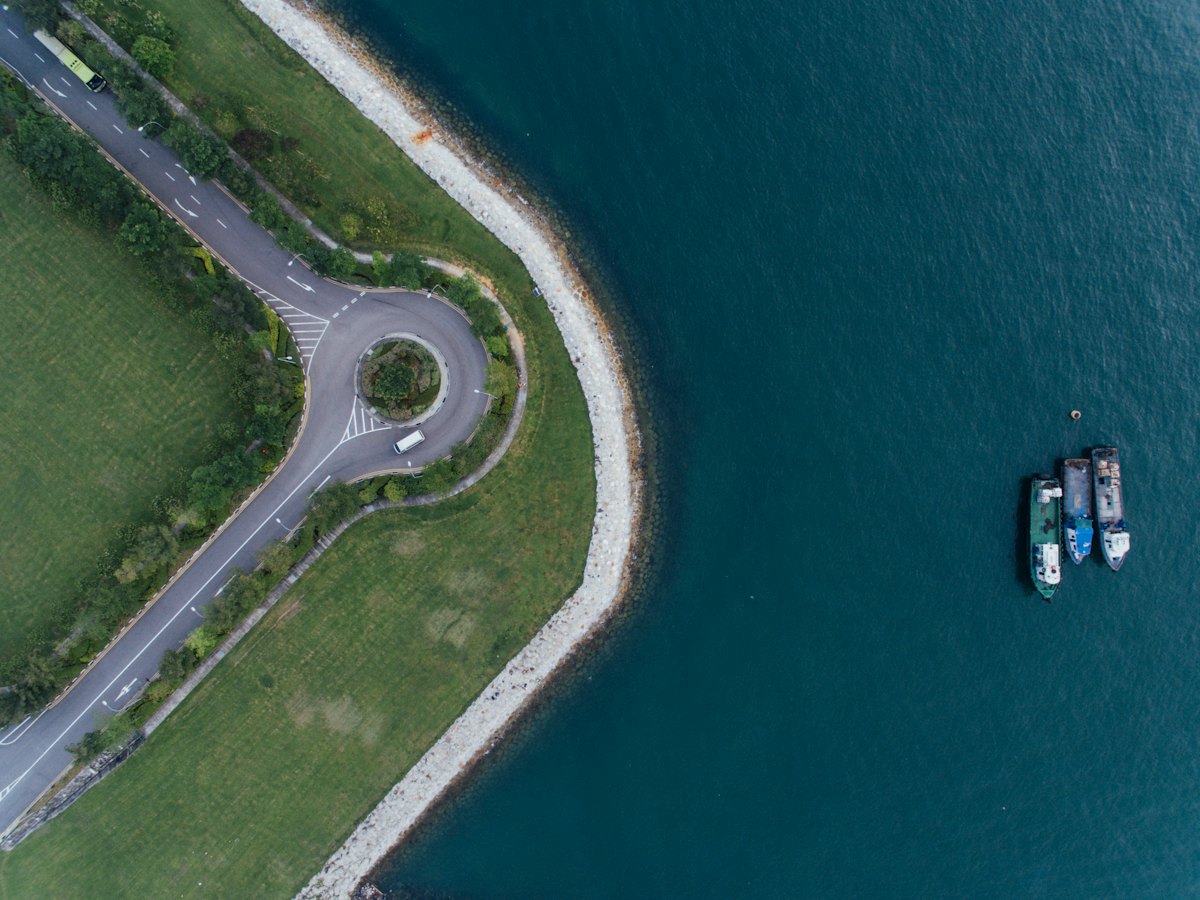
Use the water as well as the sun
Coastal and island sites are often short of land and exposed to the weather. A hybrid system makes the most of both.
Generate where land is scarce
- The problem
- Ports, islands and waterfront facilities rarely have spare land for a ground-mounted array, and solar alone stops at sunset.
- Our solution
- We design solar for sheltered water, reservoirs, breakwaters and quay structures, paired with battery storage so power is there for night-time loads and peak demand. Systems are specified for a marine environment, from corrosion-resistant mounts to moorings sized for local extremes.
Ideal for
- Ports and harbours
- Island and coastal communities
- Desalination and water facilities
- Marine transport depots
- Generation without using scarce land
- Storage that carries power past sunset
- Marine-grade components and fixings
- Grid-connected or standalone
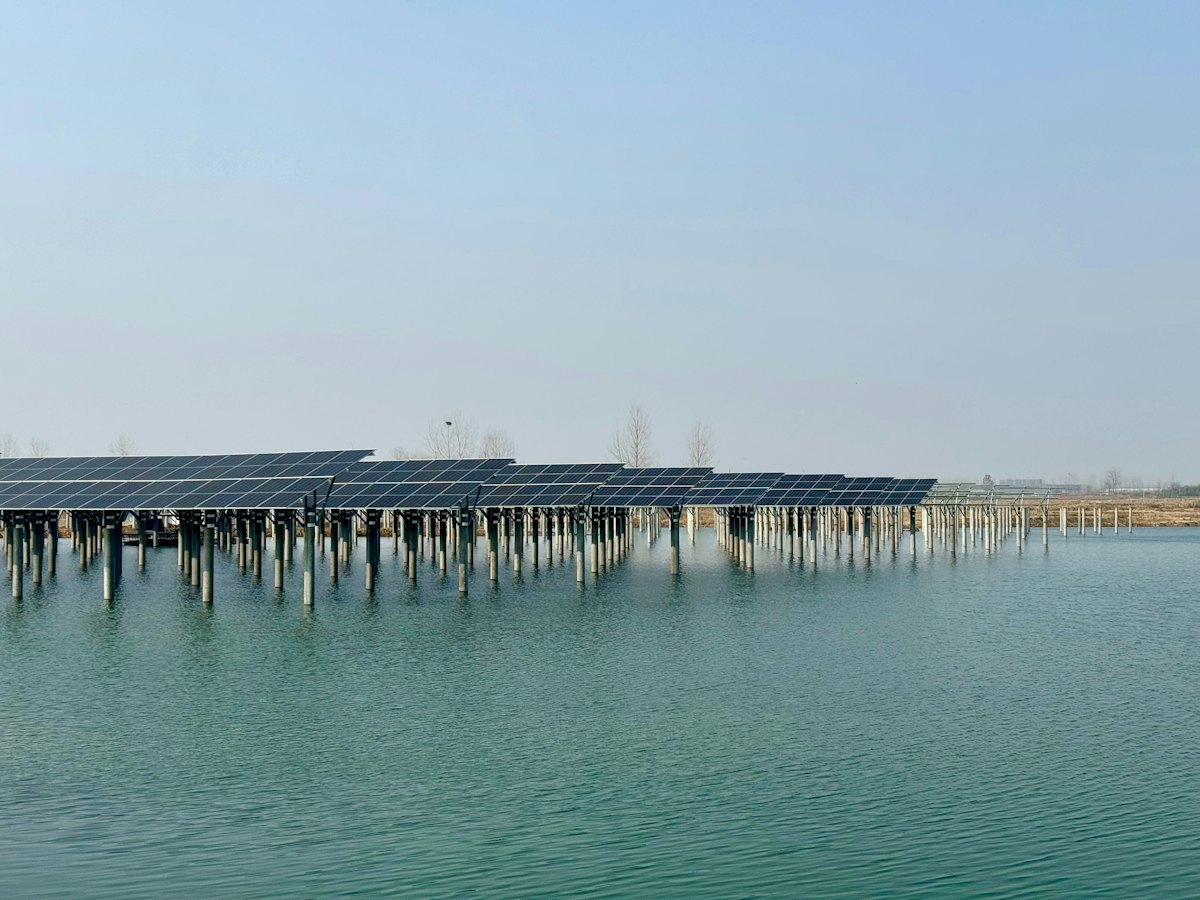
Add the sea’s own rhythm to the mix
- The problem
- Solar and batteries on their own need generous capacity to stay resilient, and a storm that stops the sun can leave critical services short.
- Our solution
- Where waves or currents are strong enough, we add wave or tidal converters to the system. Their output follows a different pattern to solar, so together they smooth supply and can reduce the battery and panel capacity needed. Where the sea is calm, we say so, and design around solar and storage instead.
Ideal for
- Exposed coastlines and breakwaters
- Remote islands
- Offshore and subsea equipment
- Resilience-critical sites
- A steadier supply than solar alone
- Can reduce the battery and panel capacity needed
- Keeps critical services running in bad weather
- Only proposed where the resource supports it
Power for electric public transport by the sea
Governments and operators moving buses, taxis and ferries to electric need large, reliable charging power at depots and terminals, often on coastal land where the grid is stretched. A hybrid marine system can supply that charging from the sea and sun, with storage to cover overnight and peak demand.
Bus depots and terminals
Overnight and opportunity charging for electric buses, with storage sized to the timetable.
Ferries and water taxis
Shore power and fast charging at the berth, supplied directly from the marine system.
Taxi and airport ranks
Charging hubs for electric taxi fleets, linked to smart charge point management.
Phased to your roadmap
A pilot first, then capacity added in stages to match each milestone of the electrification plan.
The building blocks, matched to your site
Every site is different. We select from these technologies based on the measured resource, the loads you need to serve and the conditions you face.
Floating and coastal solar
Arrays on sheltered water, reservoirs and coastal structures, where land is limited.
Wave energy
Converters that turn the motion of the sea into electricity, on exposed coasts or built into breakwaters.
Tidal and marine current
Underwater turbines that capture predictable tidal flows, where currents are fast enough.
Battery storage
Lithium-ion or hybrid storage that balances variable generation and carries power through the night.
Microgrid controls
Controls that balance every source, storage and load, grid-connected or running as an island.
Shore power and vessel charging
Power for berthed vessels, electric ferries and harbour transport from the same system.
How we work
Marine projects carry more uncertainty than projects on land, so we reduce it one stage at a time and prove performance before anything scales.
Discovery and objectives
Agree what the power is for (a port, bus depot, ferry terminal, island or coastal facility), the loads to serve, the electrification milestones to hit, resilience targets and budget.
Resource and site assessment
Measure sunlight, wave height and period, currents, water depth, seabed and extreme weather, and the options for a grid connection.
Technology mix and modelling
Compare floating solar, wave or tidal converters and storage, model the hybrid against your demand, and size each part for cost and resilience.
Environment and consents
Environmental surveys, navigation and stakeholder engagement, and the marine and planning consents the site needs.
Engineering design and pilot
Marine-grade design of moorings, cabling, corrosion protection and controls, then a pilot to prove output in real conditions.
Installation, monitoring and care
Scale up from the pilot, commission the full system, and monitor generation and storage remotely with planned marine maintenance.
Start with a discovery conversation about your site, the vehicles or facilities it needs to power and your electrification timeline.
Contact salesThe right answer for the water you have
Not every coastline suits wave or tidal power. Sheltered seas often have a modest wave resource, and there floating solar and storage carry more of the load. We start from measured data, design around what the site can really deliver and keep monitoring after handover, drawing on our team’s experience of renewable generation and connected devices in difficult environments.
Questions about hybrid marine energy
What is a hybrid marine energy system?
A single system that combines two or more marine and coastal sources, such as floating solar, wave or tidal generation, with battery storage and controls, so the sources cover for each other and supply is steadier than any one alone.
Is wave energy right for every coastline?
No. It depends on wave height and period at the site. Exposed ocean coasts have strong resources; sheltered seas usually have modest ones. That is why every project starts with a resource assessment, and why some designs rely on floating solar and storage instead.
Do we have to commit to a full installation straight away?
No. We work in stages: discovery, resource assessment, modelling and consents, then a pilot that proves output in real conditions before the full system is built.
How does this support a transport electrification plan?
We size the system to the fleet and timetable in your plan: how many buses, ferries or taxis, when they charge and how fast the fleet grows. A pilot at one depot or terminal proves the approach, then capacity is added in phases to match each milestone.
Can the system power electric ferries, vessels or buses?
Yes. Shore power for berthed vessels and charging for electric ferries, harbour vehicles and depot buses can be supplied from the same system, with storage sized for their charging patterns.
How do you deal with salt water and storms?
Through marine-grade components, corrosion protection, moorings designed for local extreme conditions and remote monitoring, so faults are picked up early and maintenance is planned around the weather.
Can it connect to the grid?
Yes. Systems can export to and draw from the grid, or run as an islanded microgrid where there is no grid connection or resilience is critical.
Electrifying public transport on the coast?
From bus depots to ferry terminals, tell us what needs to run and by when, and we will design the marine and solar power to meet your electrification roadmap, starting with a pilot.
Contact sales